
Car & rideshare
Most people call after the adjuster has already offered them something. That call is usually the moment the case is worth the least.
The first offer is not the value of your case
An early offer is made before anyone knows the full extent of your injuries, before treatment has run its course, and before the lost income is countable. It is made because it is cheap, not because it is fair.
We do not send a demand until we know what the medical picture actually is.
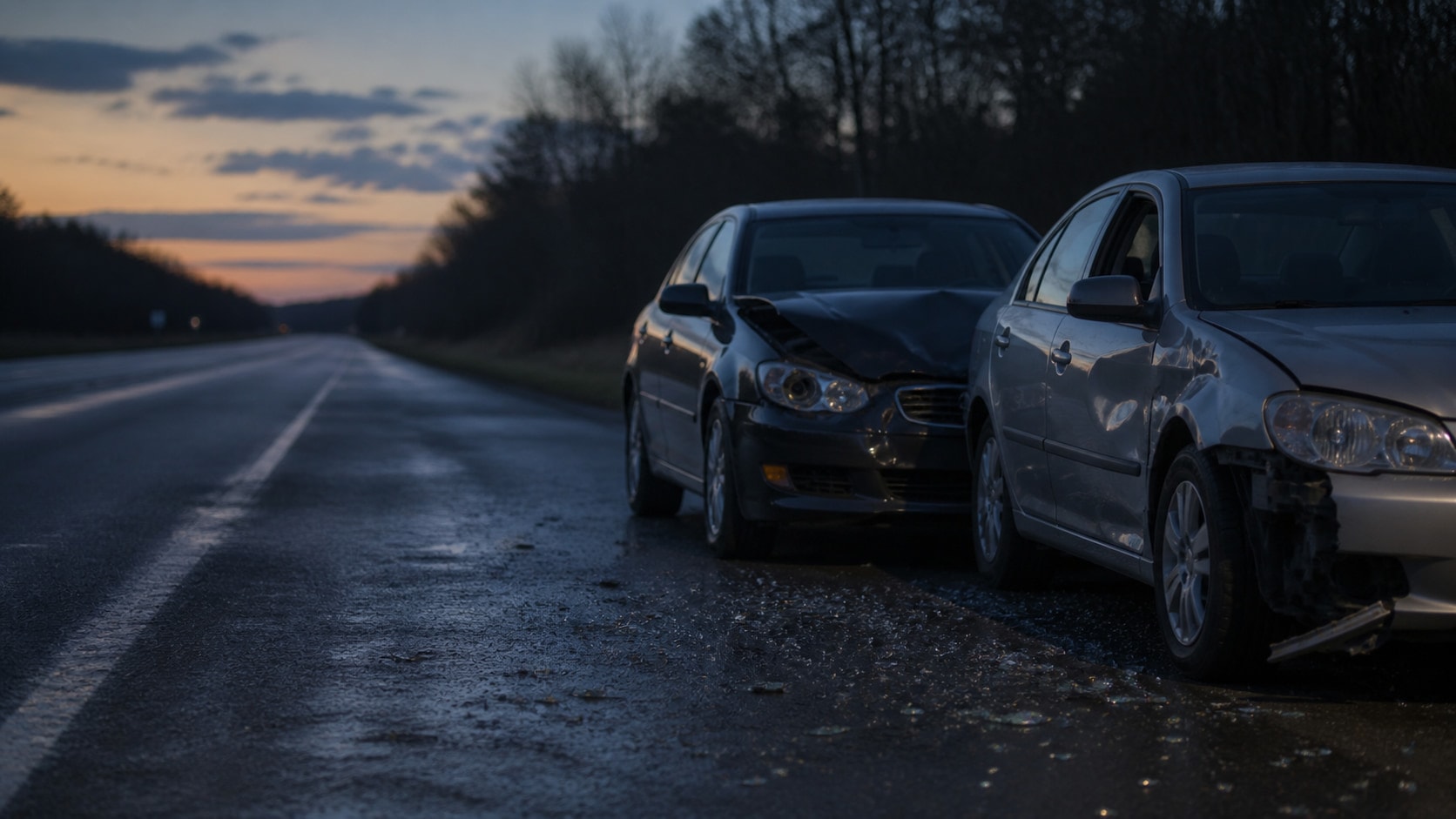
What the first week decides
Most of what proves a case has a retention window — onboard data, footage, incident reports. Once it closes, the argument becomes one word against another.
Rideshare claims
Uber and Lyft carry substantial coverage, but which policy applies turns on what the driver was doing at the moment of the collision — offline, waiting for a request, en route, or carrying a passenger. Getting that period wrong can cost the entire claim.
He knows how the other side values a claim, because that used to be his job.
Uninsured and hit-and-run
Texas has a significant uninsured driver population. If the at-fault driver has no coverage or cannot be found, your own uninsured/underinsured motorist coverage may be the claim — and your insurer becomes, in practical terms, the opposing party.


Free case review
Tell us what happened.
It costs nothing to find out where you stand. Send what you have, and we will tell you honestly whether you have a case, including when you do not.
- 01
Tell us what happened
A few sentences, a photo, a police report — whatever you have. It costs nothing and it is not a commitment.
- 02
We go and get the evidence
Onboard data, logbooks, surveillance, incident reports. Most of it has a retention window, which is why the first week matters.
- 03
We make them value it properly
David worked as an adjuster. The file gets built so the other side has to treat it as a trial risk, not a nuisance.
- 04
You decide
Settle or go to trial. It is your call, made with a straight account of what each road is worth.